23 – 30 March 2026
International Conference «The Sixth V.G. Rastyannikov’s Readings»: Potential of BRICS and partner countries in a changing global landscape
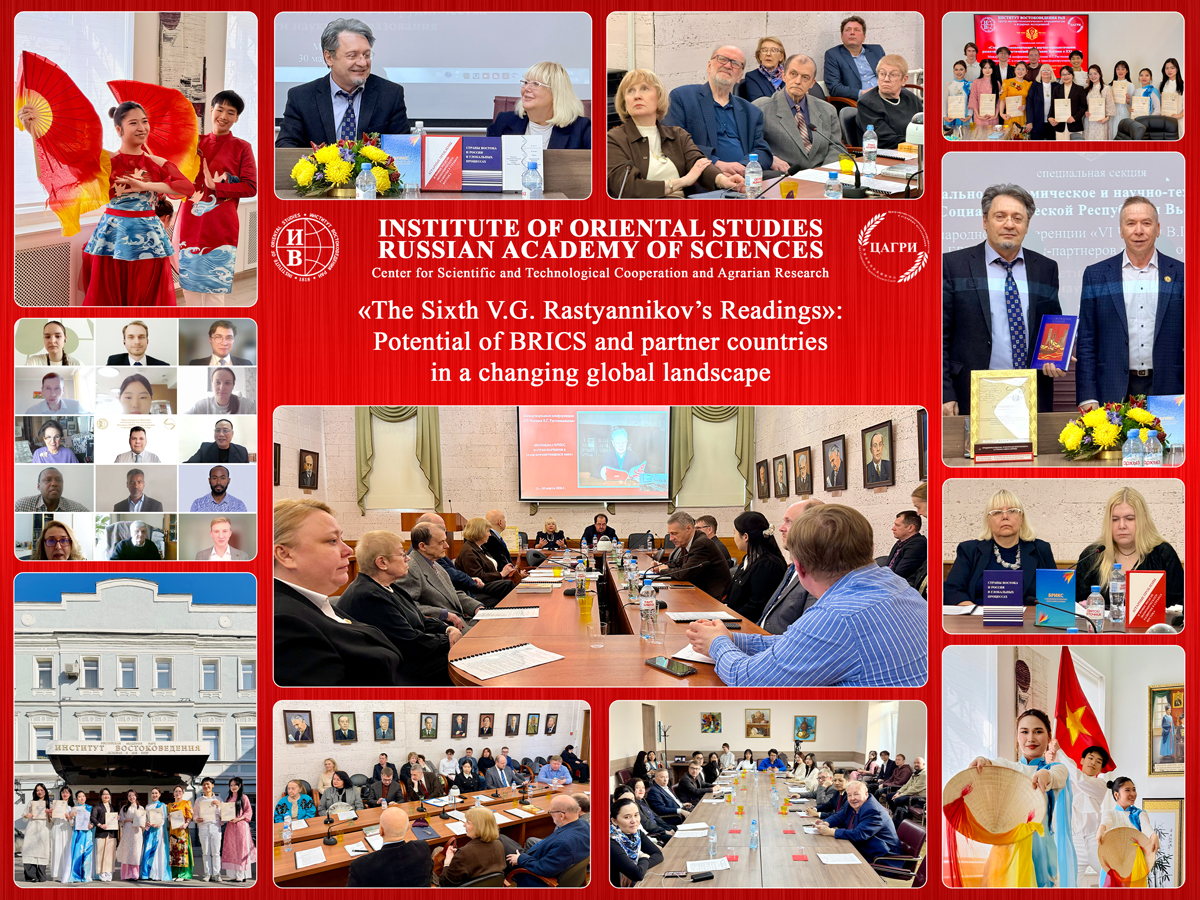
On 23–30 March 2026, the Institute of Oriental Studies of the Russian Academy of Sciences hosted the International Conference «The Sixth V.G. Rastyannikov’s Readings»: Potential of BRICS and partner countries in a changing global landscape. The conference was organized by the Center for Scientific and Technological Cooperation and Agrarian Research of the IOS RAS
The conference addressed highly topical issues arising from the profound transformations currently taking place in the global economy and international politics. The international community has entered a new phase of global transformation driven by technological breakthroughs, geopolitical shifts, economic challenges and social change. The changing geopolitical landscape is accompanied by the emergence of new alliances and a redistribution of influence within the international system. The world is gradually moving away from universal economic, social, and political models toward regional and local partnerships, as well as alternative trade, financial, and payment systems. A new system of economic and political alliances is taking shape, with the potential to compete on more equal terms in the global struggle for influence and leadership. Russia’s growing economic orientation toward friendly countries in Asia and Africa, including BRICS members and partner countries, has opened up new avenues of economic cooperation with considerable long-term potential. At the same time, the technological revolution makes deeper scientific and technological cooperation with partner countries in Asia and Africa increasingly important, turning such cooperation into a foundation for strategic communication and long-term partnership.
|
|
|
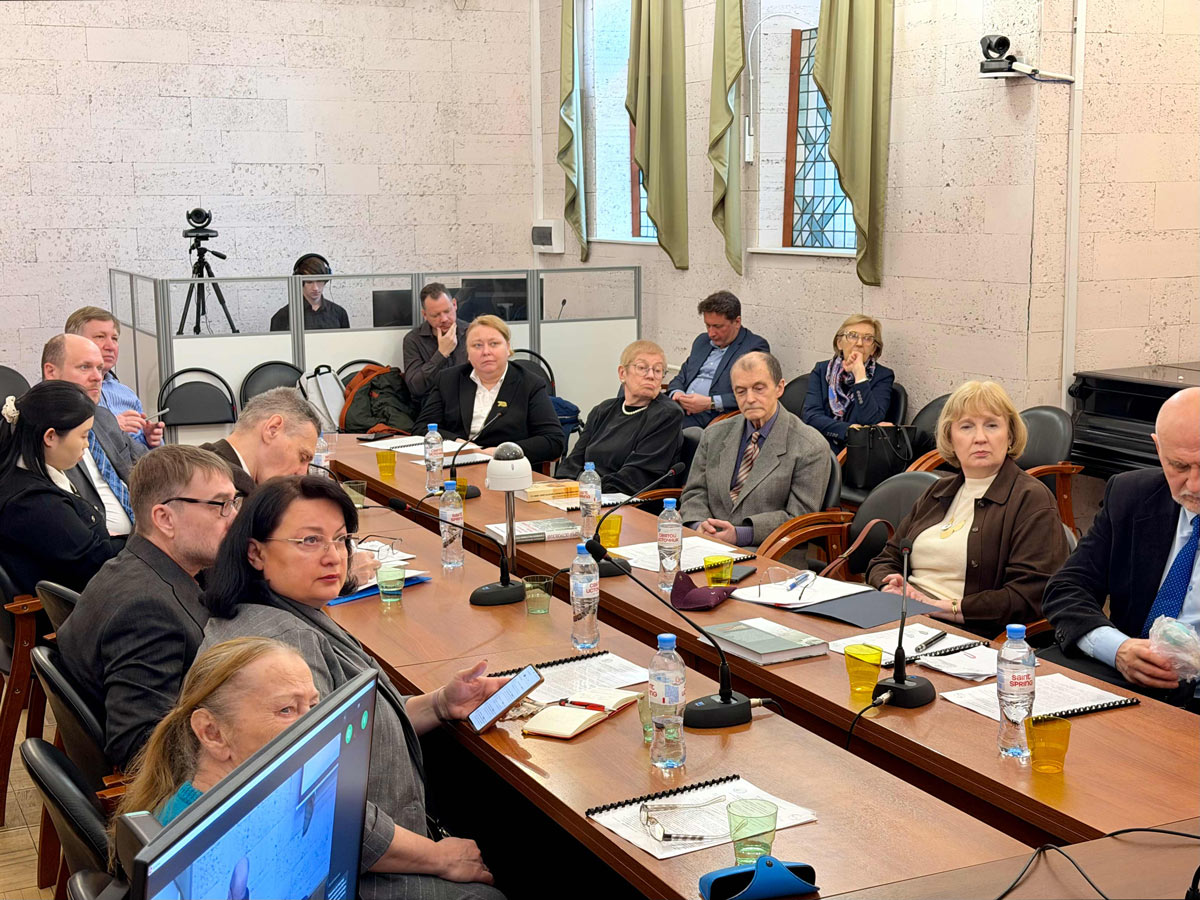
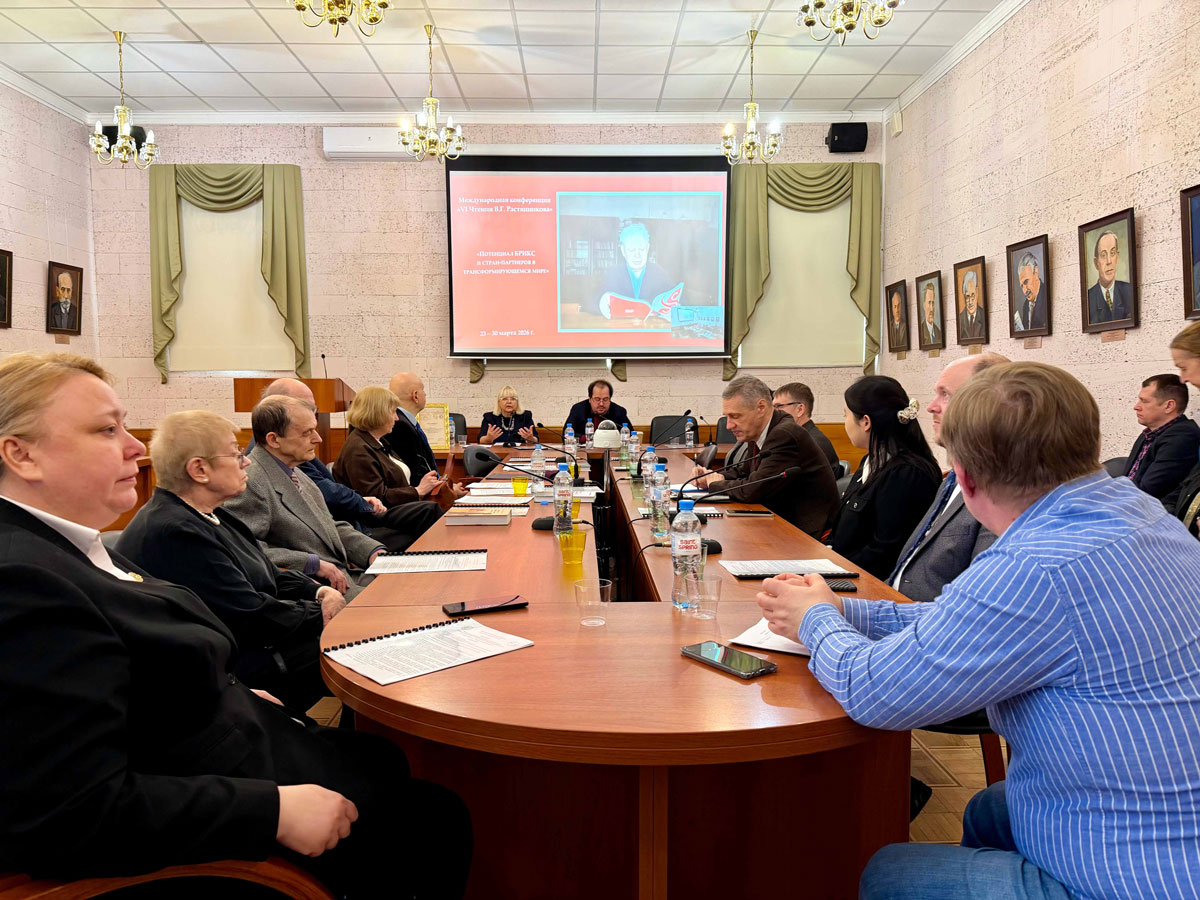
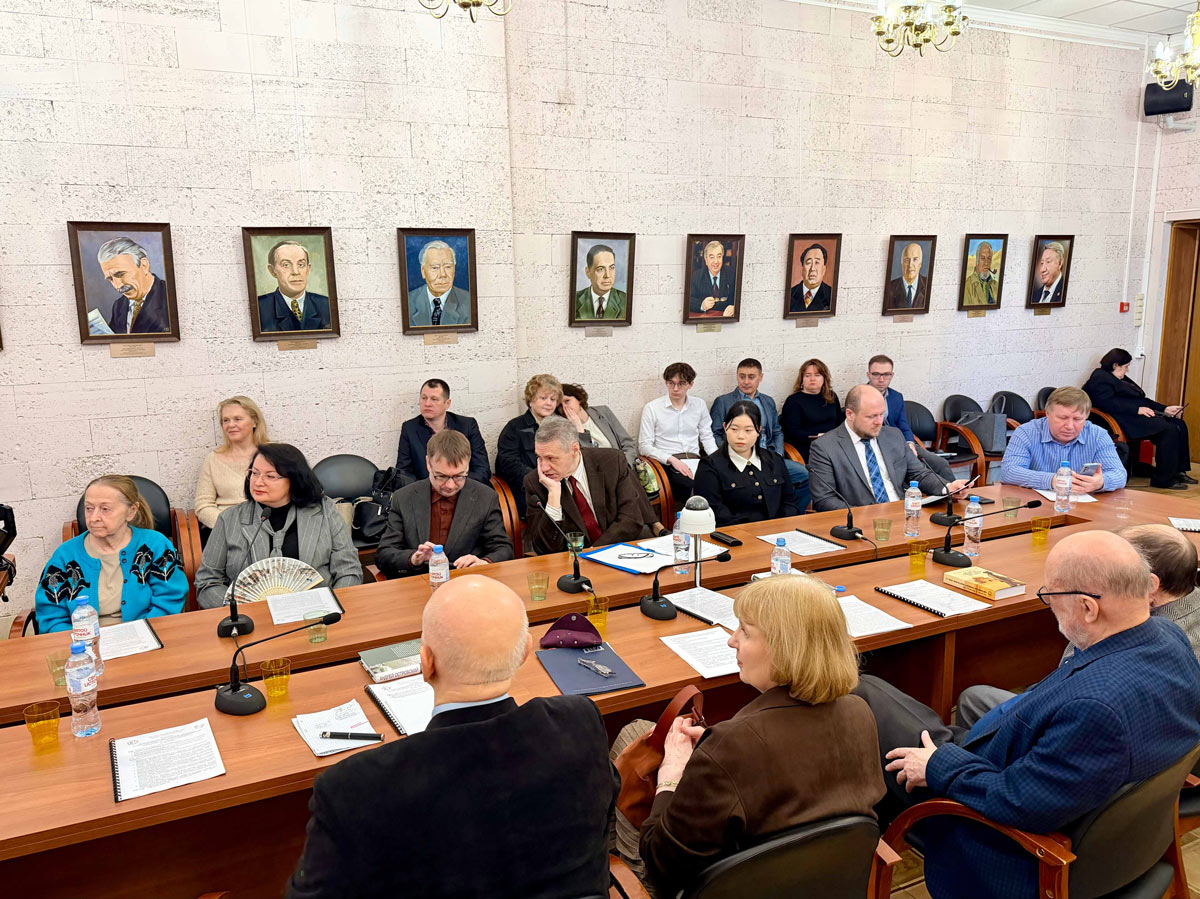
The conference brought together approximately 200 Russian and foreign experts. A total of 110 reports were presented at the plenary session and nine thematic sessions.
Speakers represented leading Russian research and educational institutions, including the Institute of Oriental Studies of the Russian Academy of Sciences; the Institute of Asian and African Studies at Lomonosov Moscow State University; the Russian Presidential Academy of National Economy and Public Administration; MGIMO University of the Ministry of Foreign Affairs of the Russian Federation; Lomonosov Moscow State University; the Institute of China and Contemporary Asia of the Russian Academy of Sciences; the Institute for African Studies of the Russian Academy of Sciences; the Institute of Economics of the Russian Academy of Sciences; Plekhanov Russian University of Economics; RUDN University; Immanuel Kant Baltic Federal University; the Primakov National Research Institute of World Economy and International Relations (IMEMO) of the Russian Academy of Sciences; the Institute for Complex Analysis of Regional Problems, Far Eastern Branch of the Russian Academy of Sciences; HSE University; Sevastopol State University; the Federal Center of Theoretical and Applied Sociology of the Russian Academy of Sciences; National Research Ogarev Mordovia State University; and the Institute of Scientific Information on Social Sciences of the Russian Academy of Sciences.
Scholars from leading universities, research and educational organizations of the Socialist Republic of Vietnam, the People’s Republic of China, the Islamic Republic of Iran, the Islamic Republic of Pakistan, the Federal Democratic Republic of Ethiopia, the Republic of Chad, and the Republic of Kazakhstan took part in the conference.
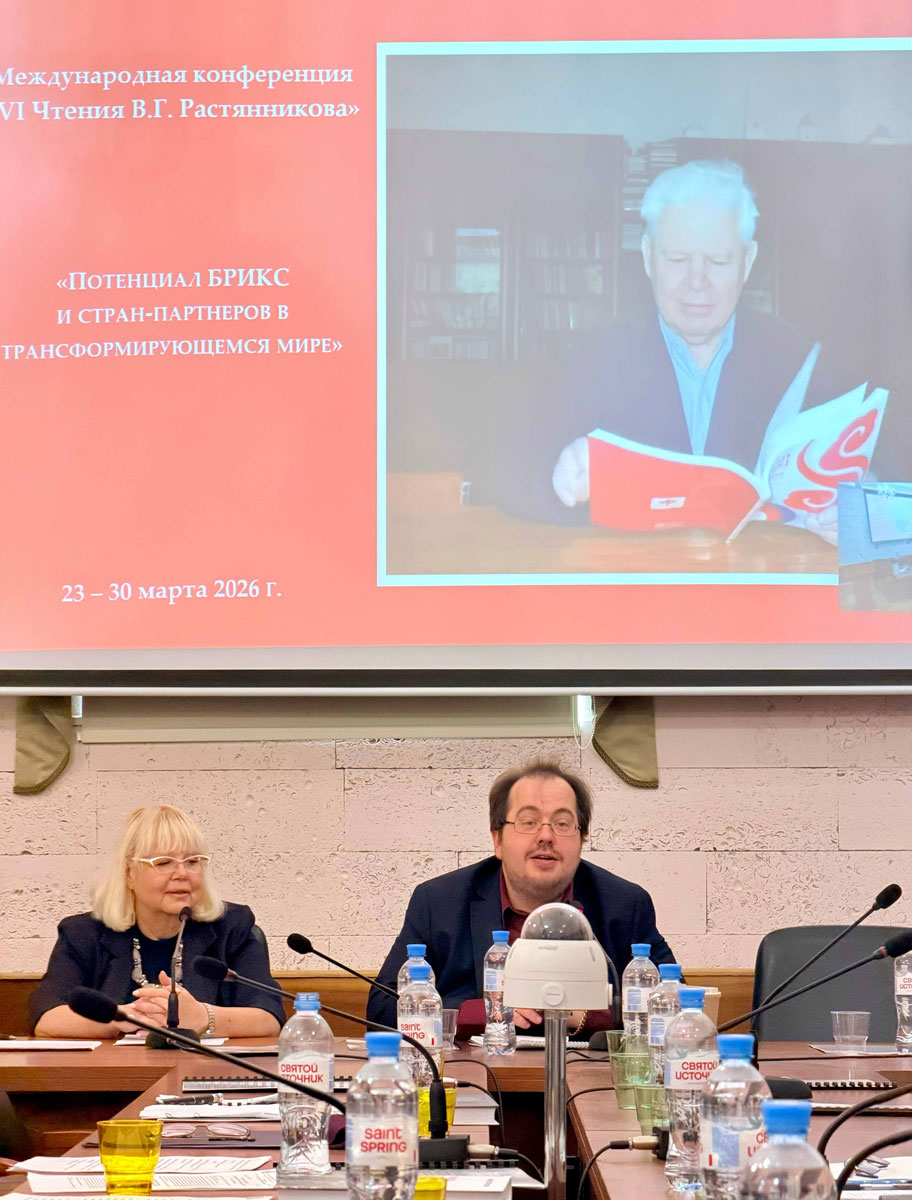
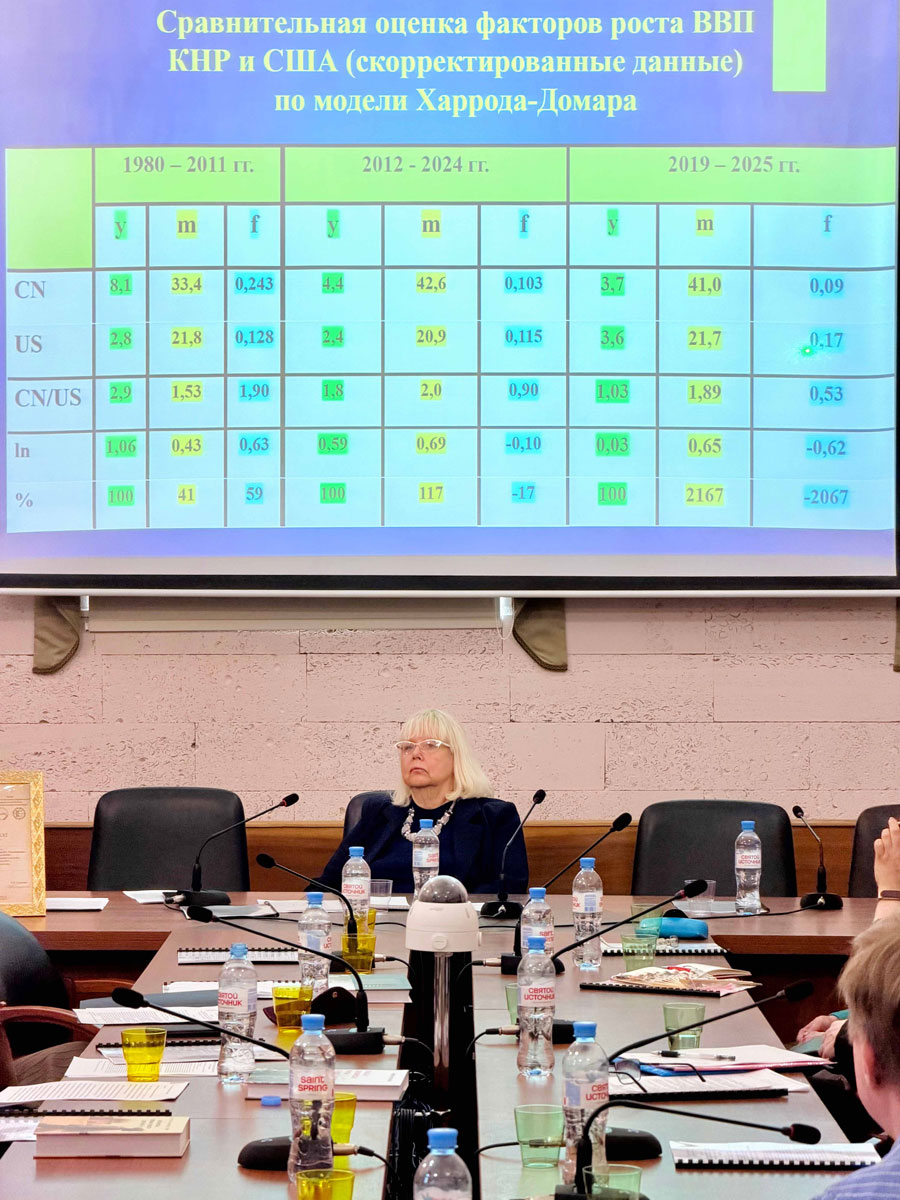
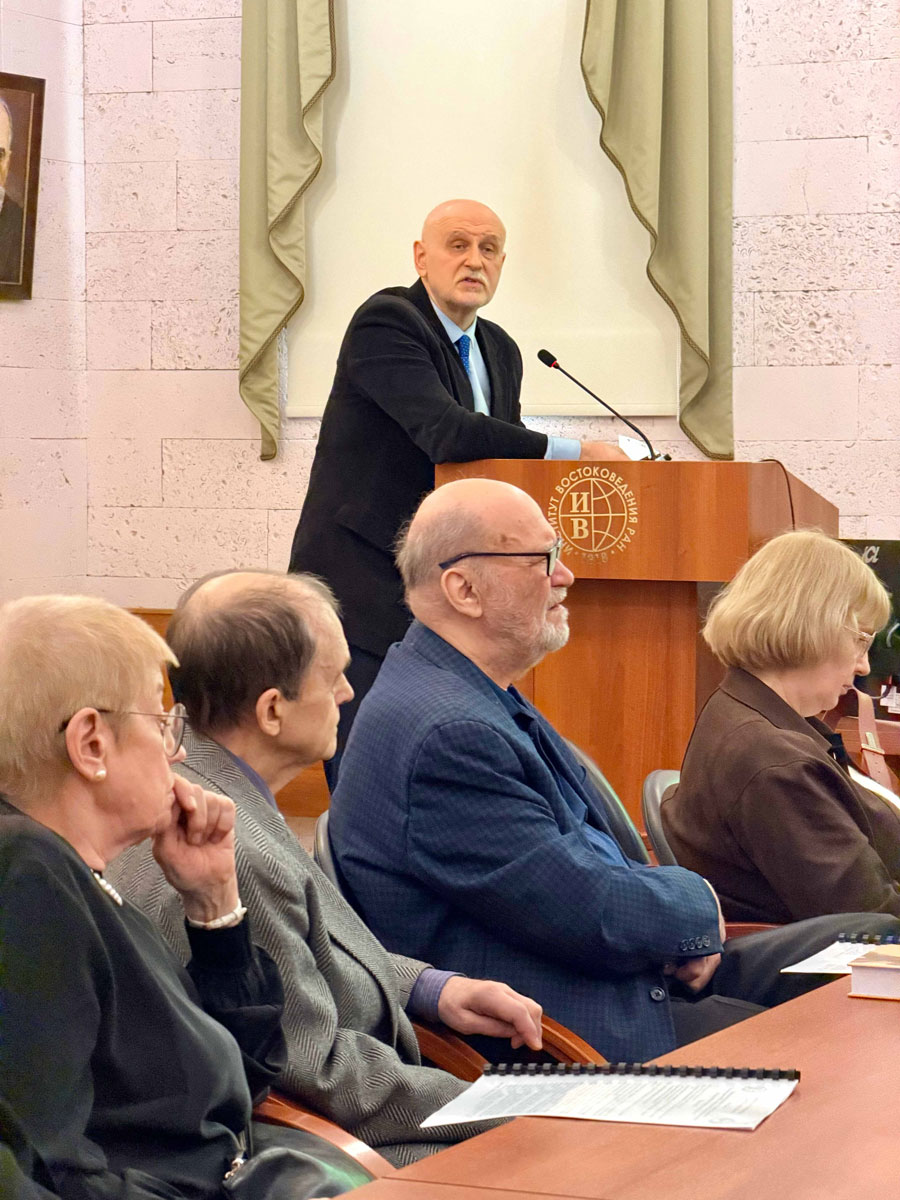
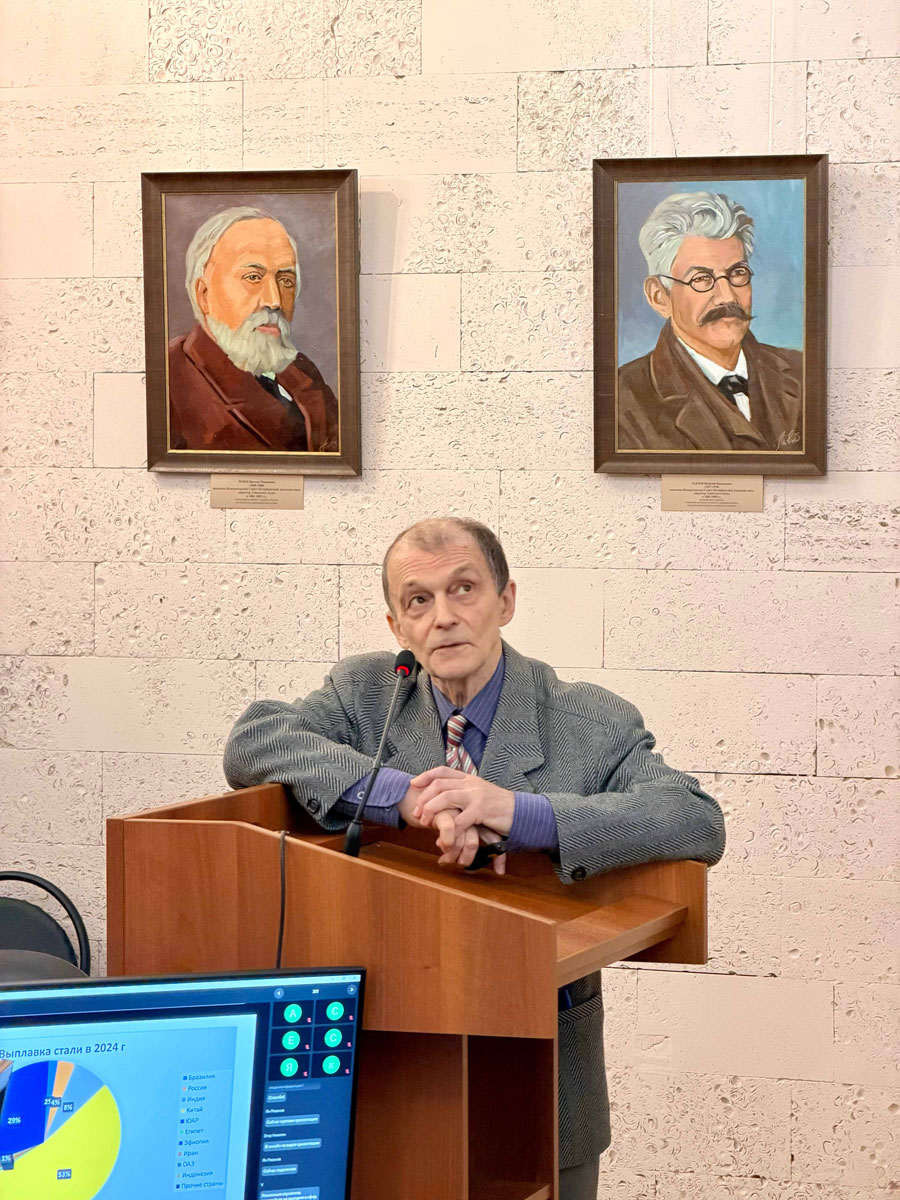
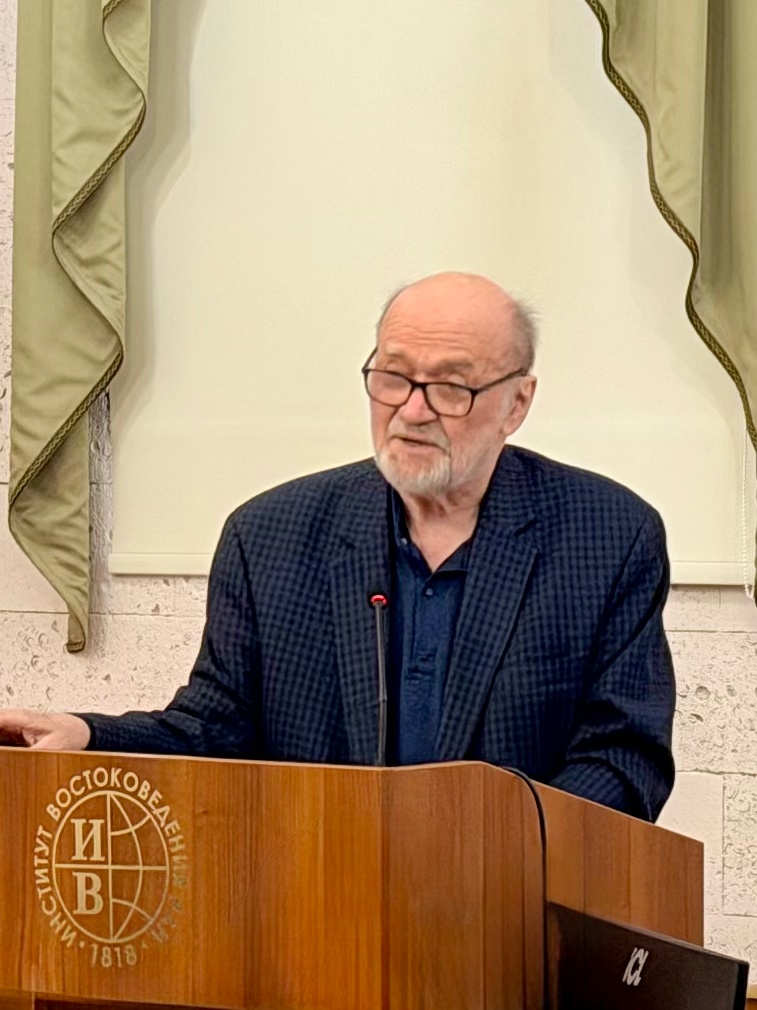
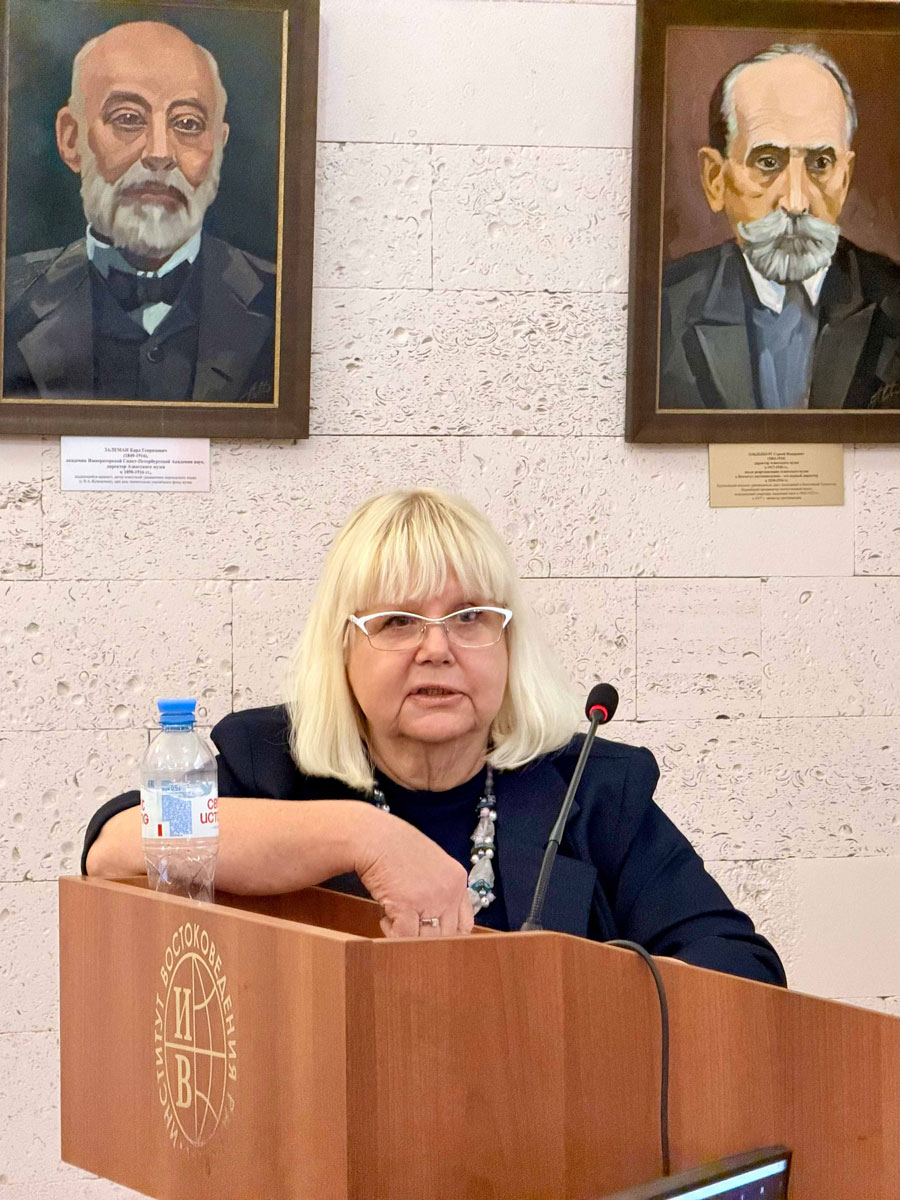
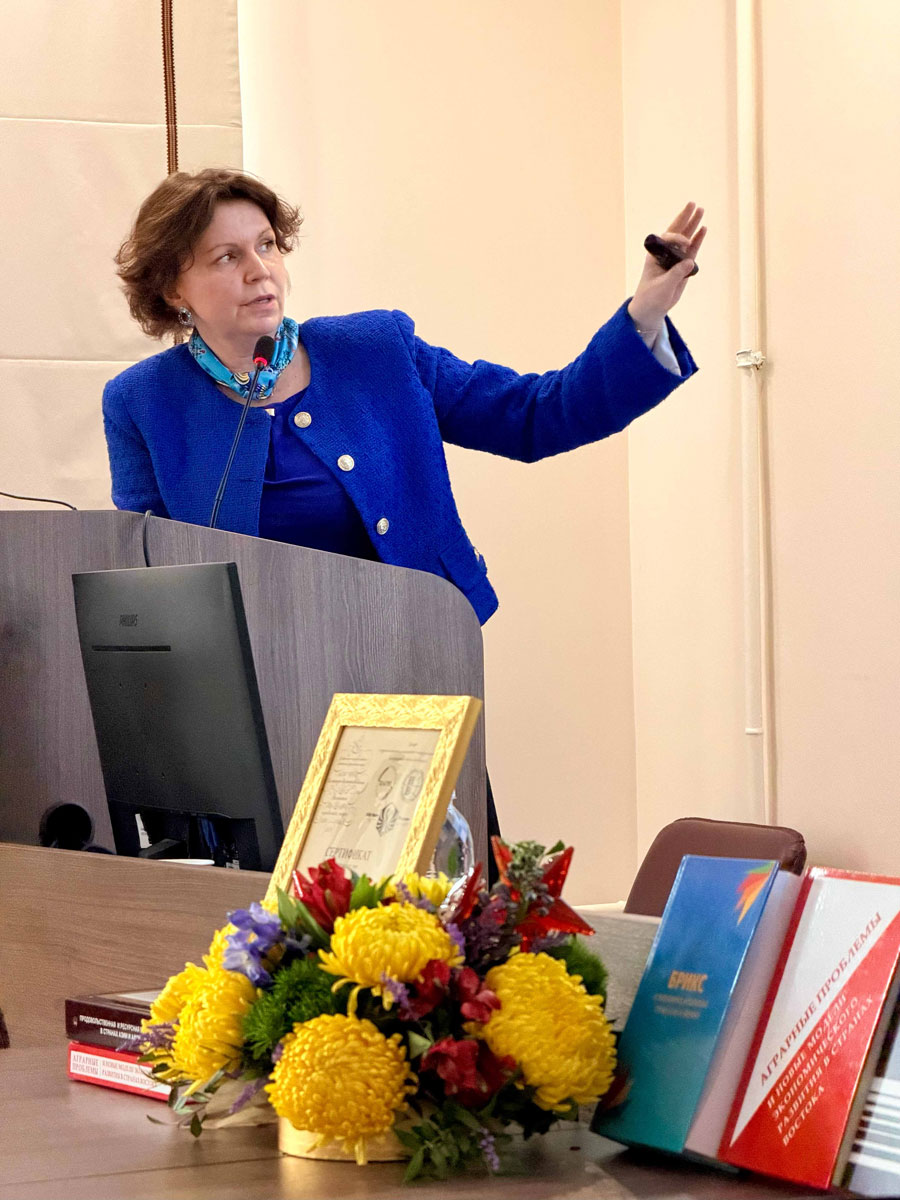
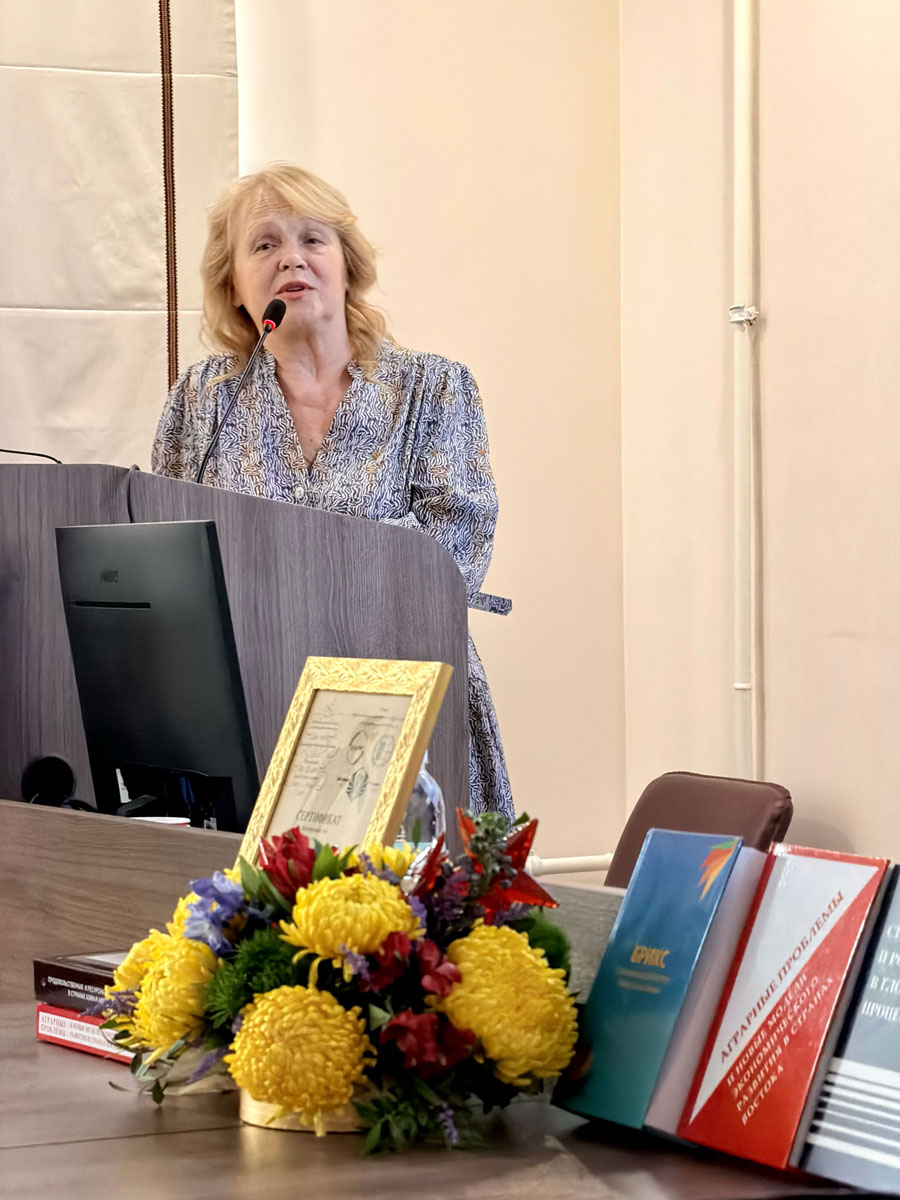
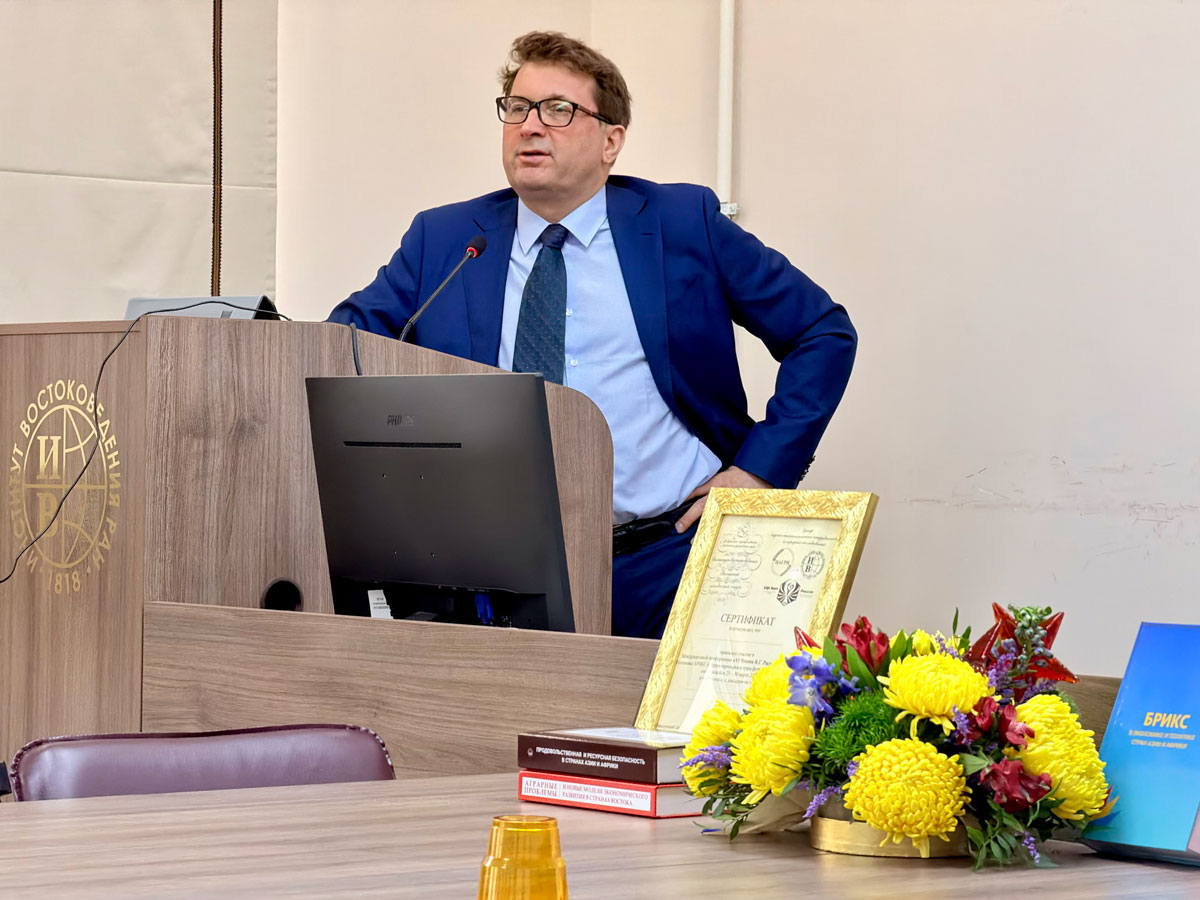
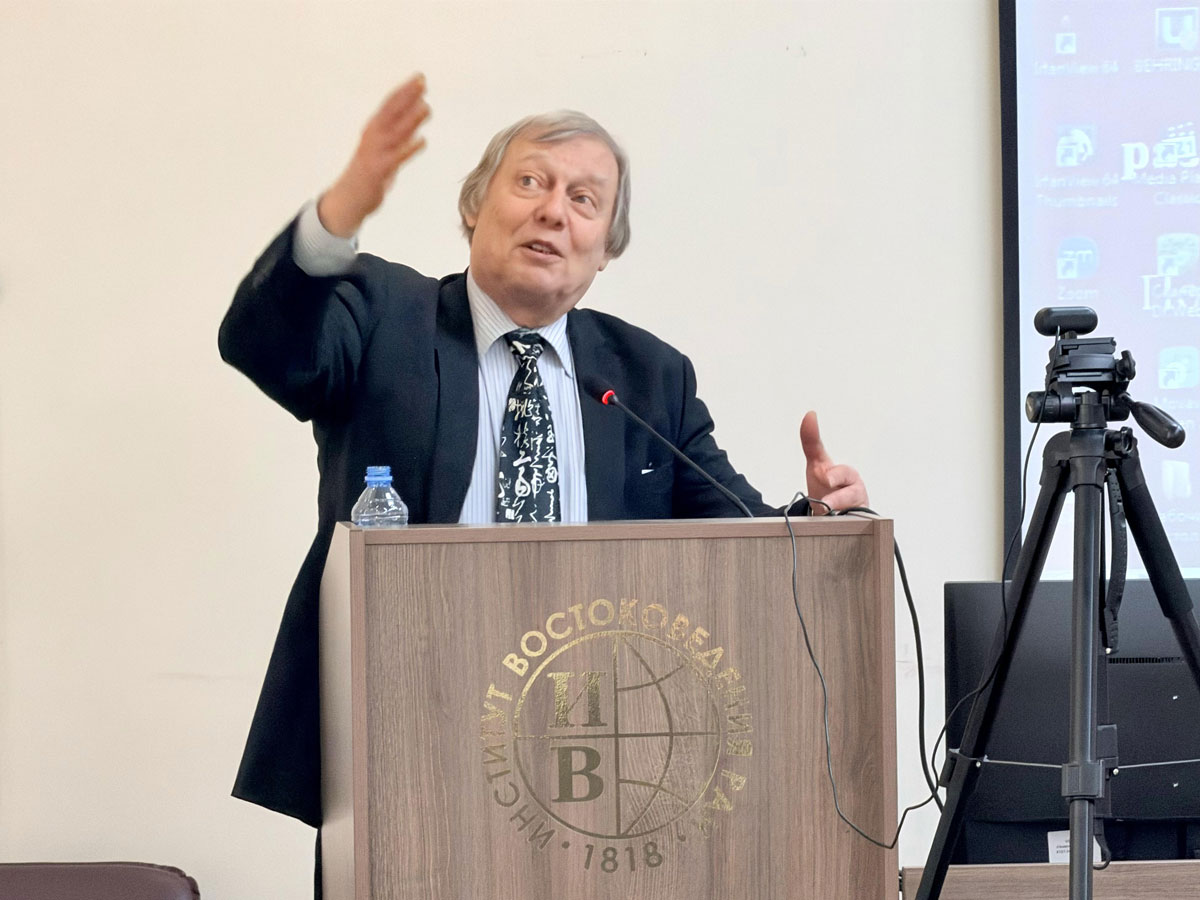
The conference was officially opened on 23 March 2026 by Kuznetsov V.A., Doctor of Political Sciences and Deputy Director for Research at the IOS RAS. The plenary session focused on the changing role of BRICS and its partner countries in the modern polycentric world. Participants examined the functioning of BRICS amid the conflict in the Middle East, comparative economic growth performance in BRICS economies and the G7 (Melyantsev V.A., Doctor of Economic Sciences, Professor, Corresponding Member of the RAS), as well as the economic and scientific-technological development potential of BRICS and partner countries (Akimov A.V., Doctor of Economic Sciences; Deryugina I.V., Candidate of Economic Sciences; Ulchenko N.Yu., Doctor of Economic Sciences; Tsvetkova N.N., Candidate of Economic Sciences). V.Ya. Belokrenitsky, Doctor of Historical Sciences and Professor, presented a theoretical and analytical report on the cyclical dynamics of economic growth, using Pakistan as a case study.
|
|
|
|
|
|
|
|
|
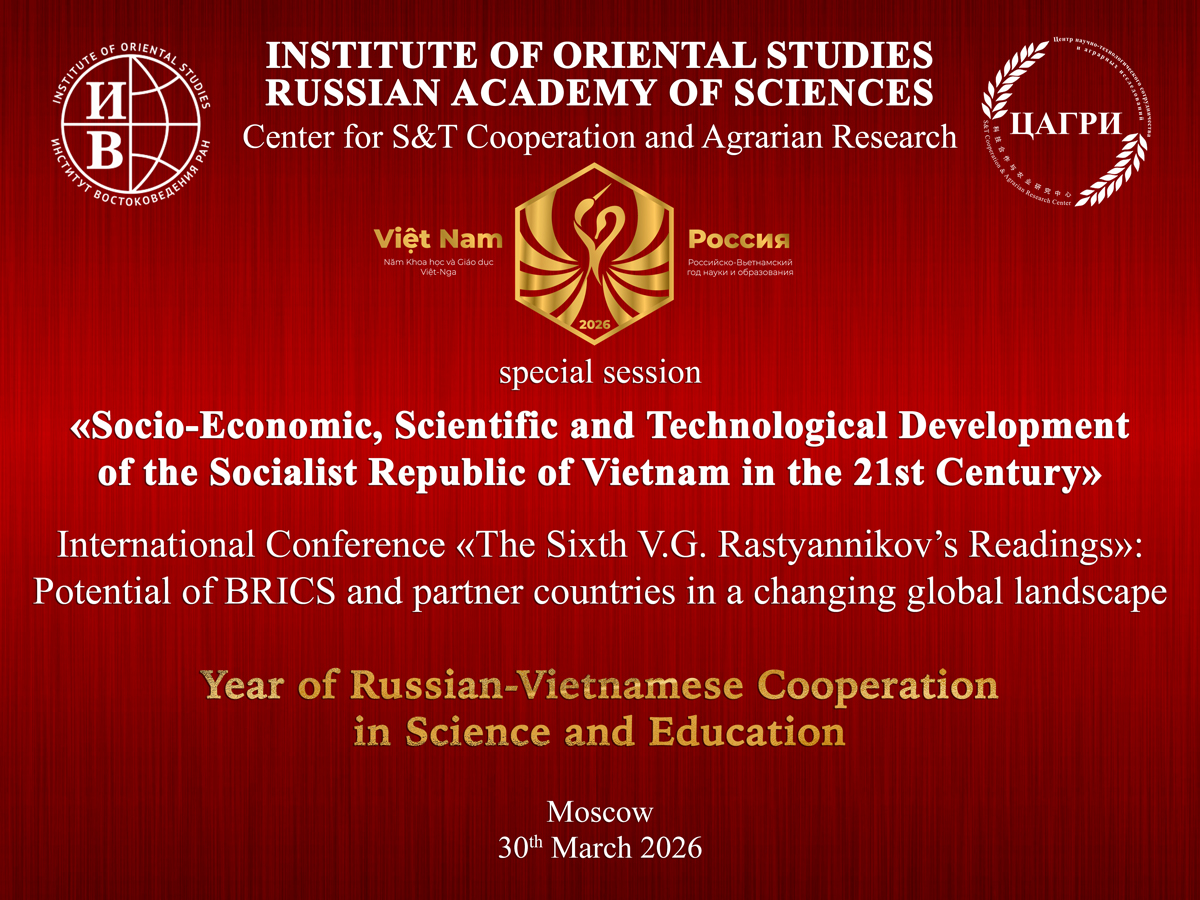
Within the framework of the International Conference «The Sixth V.G. Rastyannikov’s Readings», two special sessions were organized:
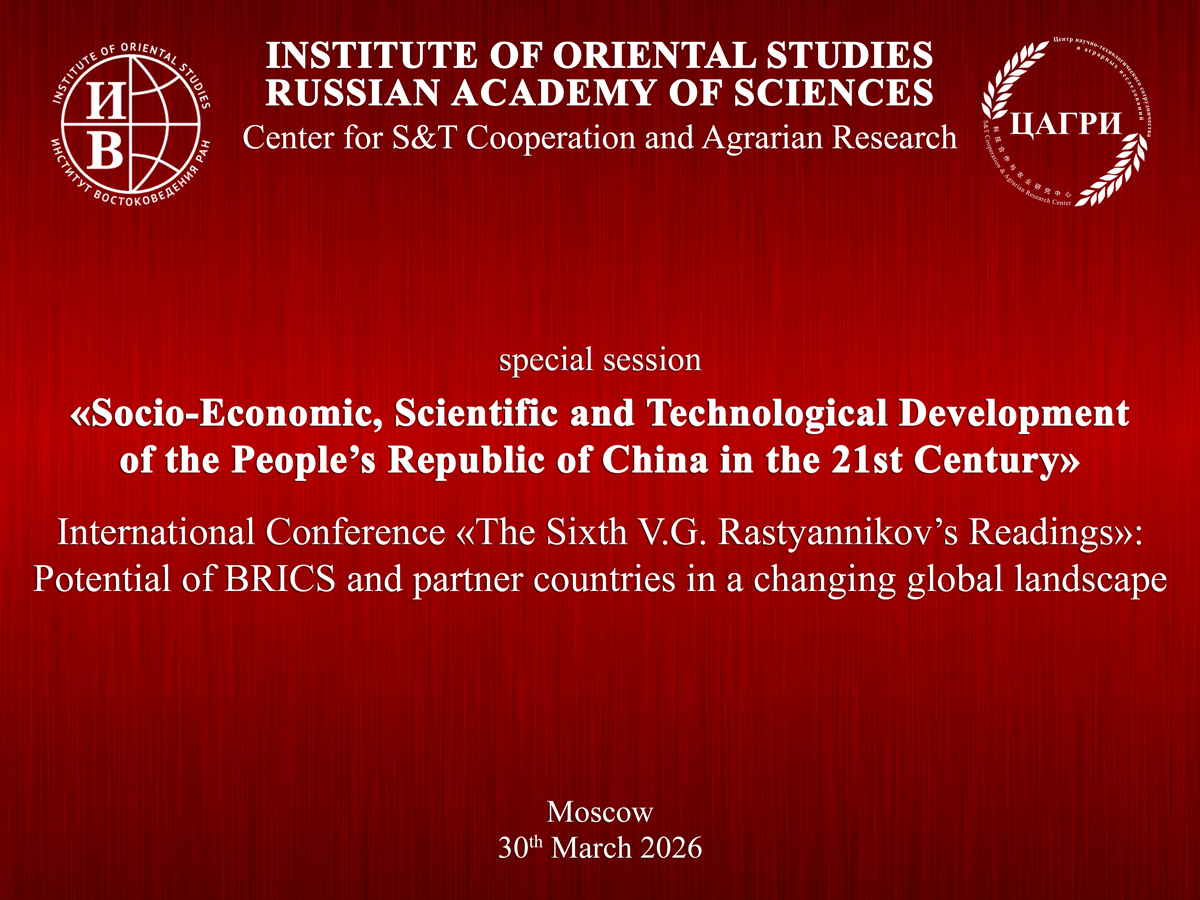
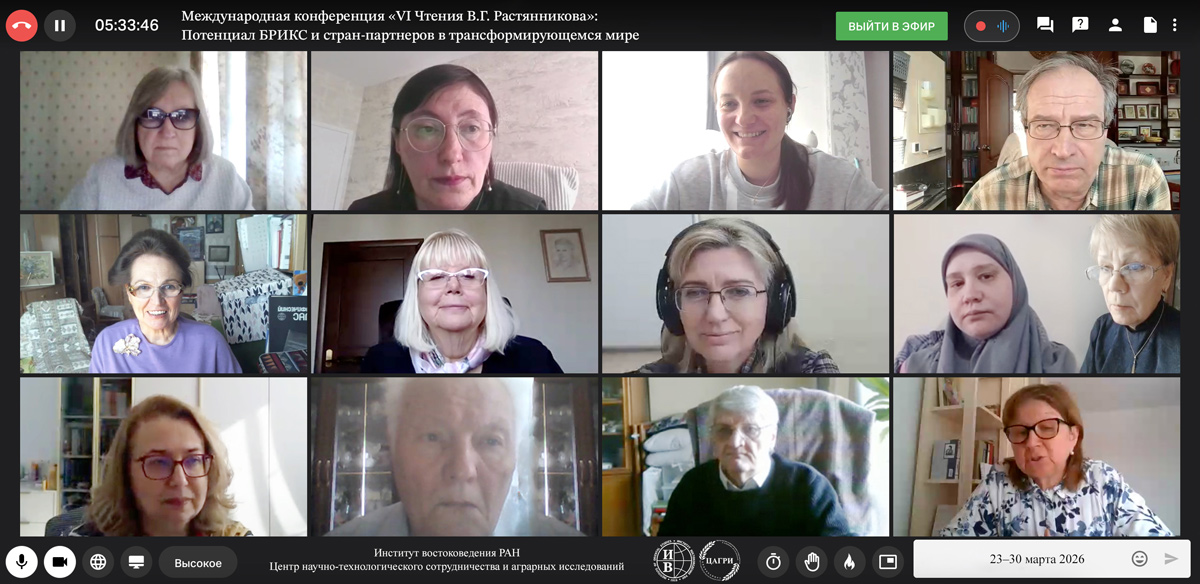
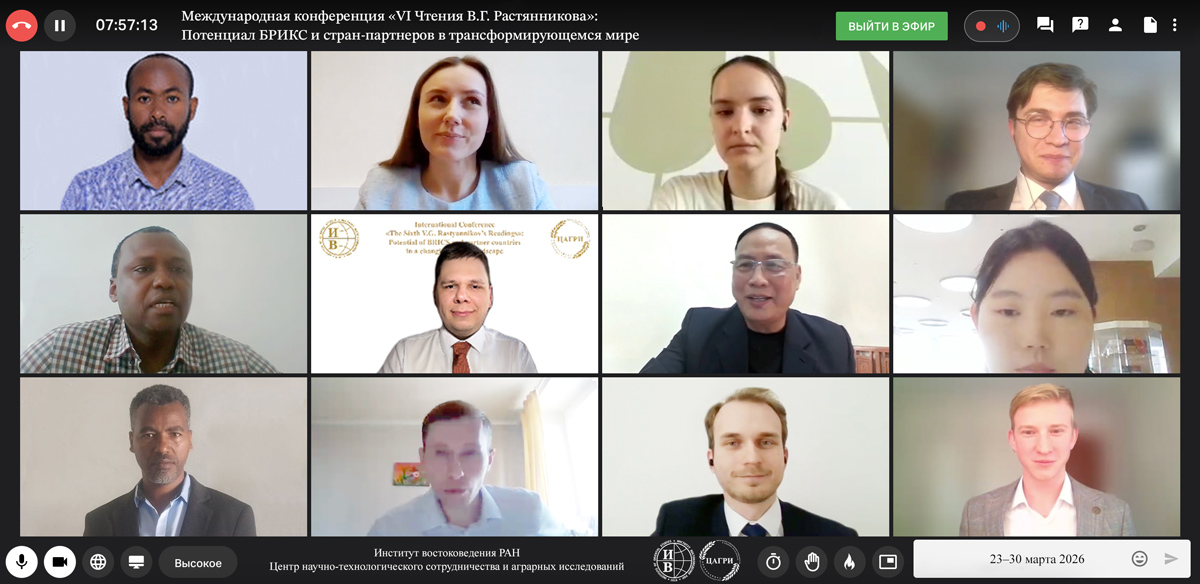
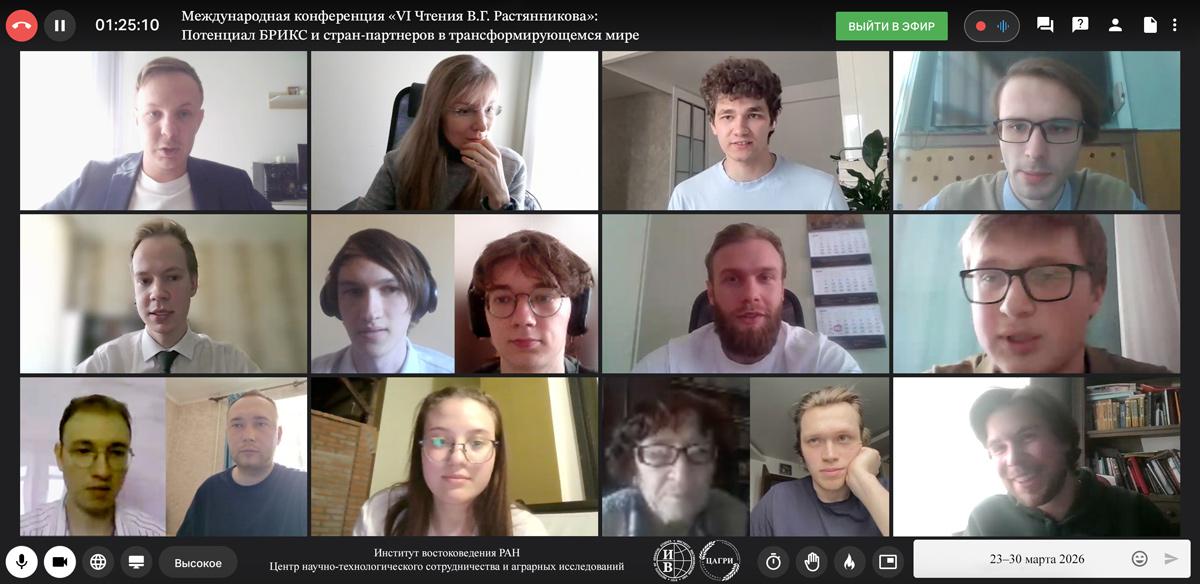
On 24, 26, and 27 March 2026, the conference continued in an online format, with six sessions held. Two sessions focused specifically on the African dimension of BRICS cooperation, featuring researchers from the Institute for African Studies RAS, as well as scholars from universities in the Federal Democratic Republic of Ethiopia and the Republic of Chad. A significant proportion of the presentations addressed pathways toward food sovereignty in African countries, the development of agricultural technologies, including biotechnology and aquaculture, as well as water, natural-resource, and environmental challenges.
Denisova T.S., Candidate of Historical Sciences, Head of the Center for Tropical Africa Studies at the Institute for African Studies RAS, focused on the socio-economic development challenges facing Uganda, a new BRICS partner country. Dmitriev R.V., Doctor of Geographical Sciences, Deputy Director for Research at the Institute for African Studies RAS, and Nuzhdin I.I., Junior Research Fellow at the Institute’s Center for Global and Strategic Studies, examined the role of BRICS and its partner countries in the spatial differentiation of Russian agricultural exports to Africa. Sugakov G.K., Candidate of Economic Sciences, Research Fellow at the Institute for African Studies RAS, addressed the strengthening of food security in African countries through the development of aquaculture. Issues surrounding the regional configuration of Global South countries within the international system were discussed by Neklessa A.I., Senior Research Fellow at the Center for Civilizational and Regional Studies of the Institute for African Studies RAS. Kupalov-Yaropolk A.I., Junior Research Fellow at the Center for Russian–African Relations and African Foreign Policy at the Institute for African Studies RAS, highlighted the importance of Russian-South African scientific and technological cooperation, including Russia’s contribution to the digital transformation of South Africa’s economy.
Adam Mbodu Adam, a PhD student at RUDN University from the Republic of Chad, discussed the objectives and instruments of Russia’s BRICS strategy. Goshu Misganau, Lecturer and Researcher at Hawassa University in the Federal Democratic Republic of Ethiopia, examined food sovereignty and Africa’s pursuit of agricultural independence, with particular attention to biotechnology policy. Obsa Teferi Erena, Assistant Professor at Hawassa University, focused on Ethiopia’s tourism industry. The North African dimension of BRICS cooperation was represented by a presentation from Panov V.V., a master’s student at the State Academic University for the Humanities, who examined Egypt’s energy sector. The discussions demonstrated the considerable potential for expanding BRICS cooperation in this area.
|
|
|
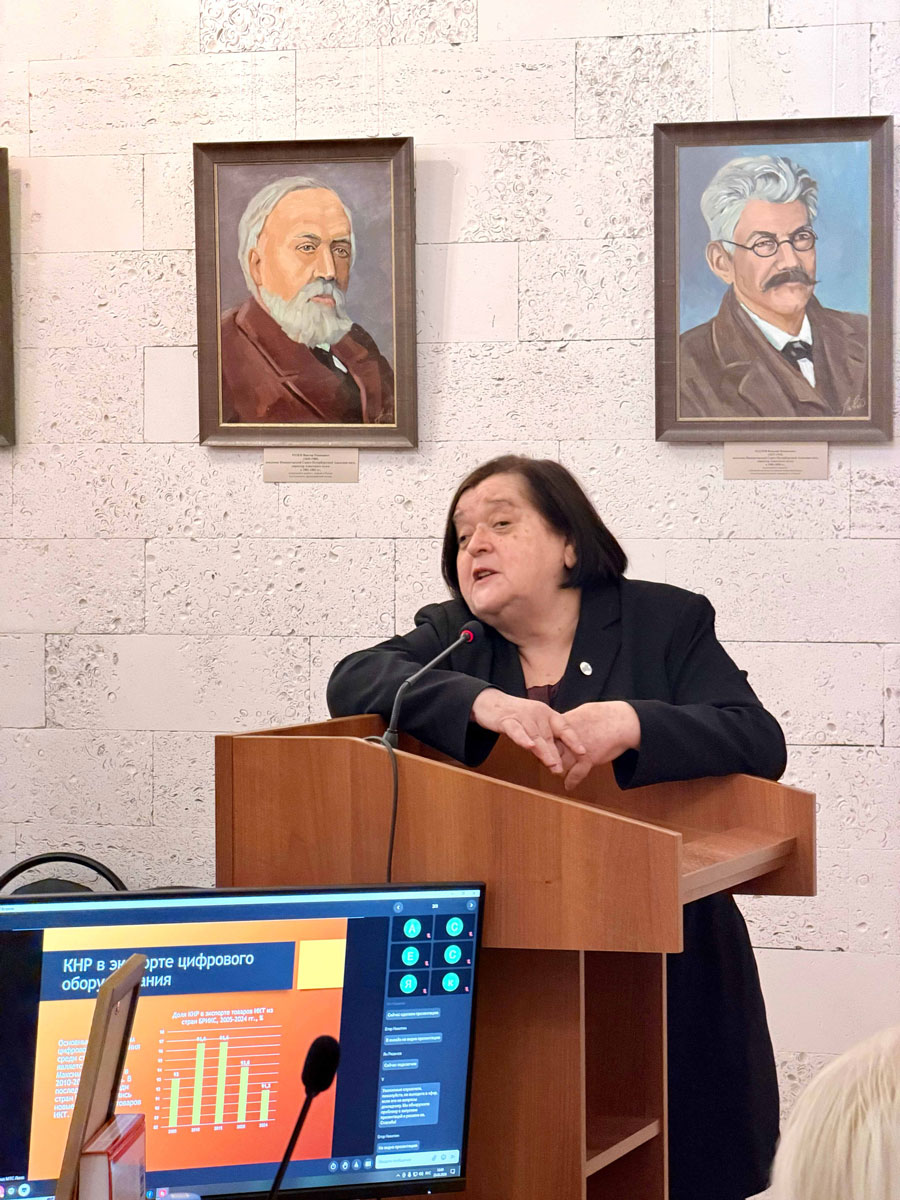
Participants also presented research on the scientific and technological development of BRICS countries and opportunities for international research cooperation. Key topics included scientometrics, artificial intelligence, ICT production and foreign trade, robotics, and international cooperation in education. Solovyova A.A., Candidate of Economic Sciences and Associate Professor at Sevastopol State University, examined agricultural development trajectories in Arab countries in the context of the Fourth Agricultural Revolution. Terekhin N.N., Lecturer in the Department of International Regional Studies at HSE University, focused on the modernization of the agricultural sector in the DPRK. Kachelin A.S., Candidate of Economic Sciences, Senior Research Fellow at the Institute of Economics RAS, addressed scientific and technological cooperation within the expanded BRICS framework. Bakanova M.V., Editor-in-Chief of «Vostok dlya vsekh» and Chief Physician of Dua Hospital in the Islamic Republic of Pakistan, examined the advantages and disadvantages of Pakistan’s accession to BRICS.
Ivanova S.V., Doctor of Economic Sciences, Professor at Plekhanov Russian University of Economics, presented research on modern agricultural biotechnology in Vietnam and China. Makeeva S.B., Doctor of Historical Sciences, Chief Research Fellow at the Federal Center of Theoretical and Applied Sociology and Professor at the Financial University under the Government of the Russian Federation, examined Russian-Chinese interregional cooperation, using examples of Russian regions and Chinese provinces to highlight practical dimensions of bilateral interaction. The fragmentation of the global digital space and the emergence of technological blocs between China and Russia were examined by Semenova N.K., Candidate of Political Sciences, Senior Research Fellow at the Department of Economic Studies of the Institute of Oriental Studies RAS, and Bai Jiaxin, a master’s student at the Russian University of Transport.
Within the broader examination of the potential of BRICS and its partner countries, considerable attention was devoted to the socio-economic and scientific-technological development of India, Türkiye, and Egypt. India is currently one of the world’s fastest-growing economies. Its strategic objective is to join the group of developed countries by the centenary of independence in 2047, with a particular emphasis on achieving global leadership in innovative technologies. Deryugina I.V., Candidate of Economic Sciences, Head of the Center for Scientific and Technological Cooperation and Agrarian Research at the Institute of Oriental Studies RAS, examined in detail the opportunities and obstacles facing India in its pursuit of global leadership in scientific and technological development. Rastyannikova E.V., Candidate of Economic Sciences, Senior Research Fellow at the Department of Economic Studies of the Institute of Oriental Studies RAS, discussed India’s strategy for developing its mining sector, which is currently undergoing substantial restructuring. India, where resource extraction was previously characterized by strong state control, is increasingly moving toward a more competitive framework for the exploration and extraction of strategically important resources through new legislation. Ryazanov Ya.A., Research Assistant at the Center for Scientific and Technological Cooperation and Agrarian Research of the Institute of Oriental Studies RAS, examined India’s potential for developing a semiconductor industry and its prospects for becoming a global leader in this field. Garin A.A., Candidate of Historical Sciences, Head of the Laboratory for Digital Studies of the Contemporary East at the Institute of Oriental Studies RAS, compared models of artificial intelligence development in India and China. Krupenko A.V., PhD student at the Institute of Oriental Studies RAS, examined digital sovereignty and emerging development trajectories in Asia through the cases of India and Singapore in the context of BRICS.
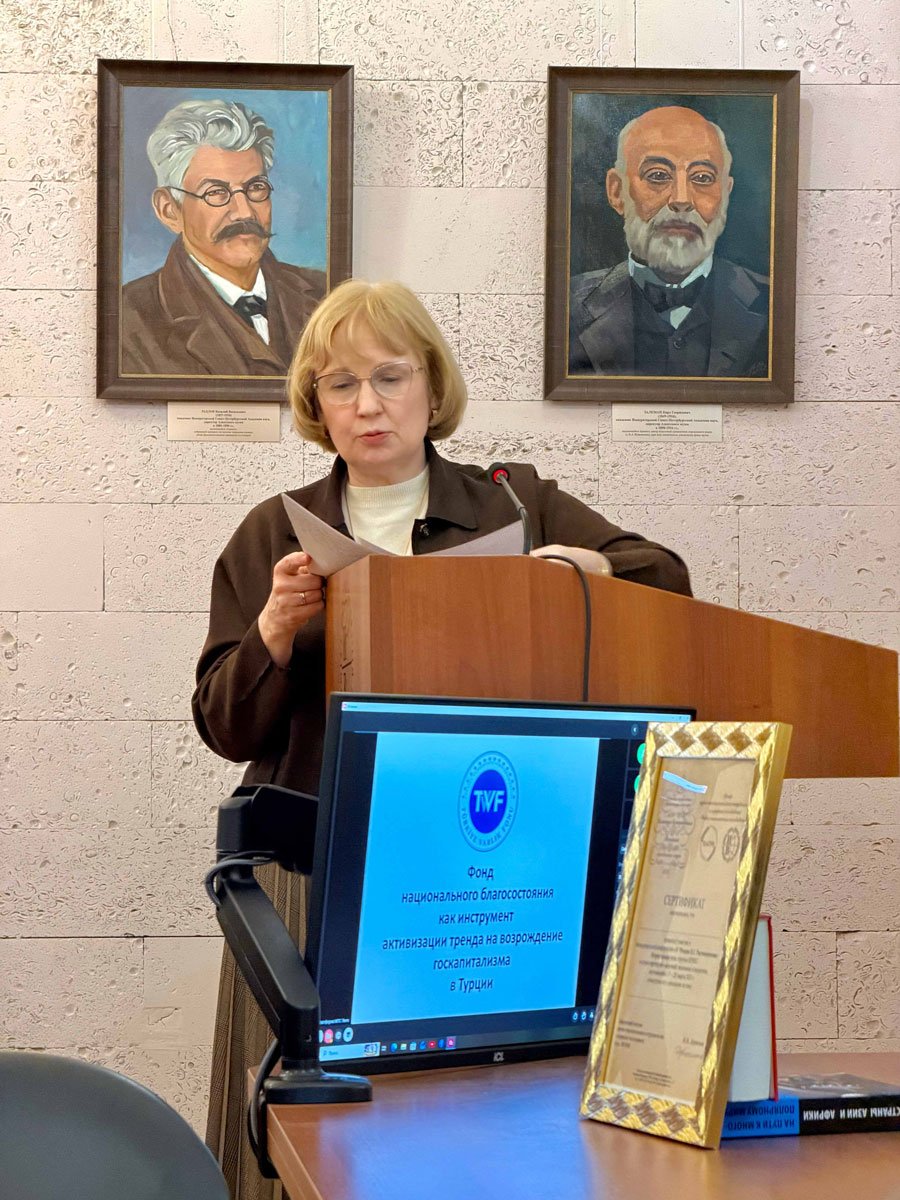
The potential of Türkiye as a BRICS partner country was assessed in presentations by Ulchenko N.Yu., Doctor of Economic Sciences, Leading Research Fellow at the Institute of Oriental Studies RAS, and Head of the Department of Economics and Economic Geography at the Institute of Asian and African Studies, Lomonosov Moscow State University; Kharitonov A.A., student at the Institute of Asian and African Studies, Lomonosov Moscow State University; and Prokhorov V.A., Senior Research Assistant at the Department of International Political Problems at the Primakov National Research Institute of World Economy and International Relations RAS. Ulchenko N.Yu. emphasized the resurgence of state capitalism in Türkiye through the growing role of the Turkey Wealth Fund. Kharitonov A.A. examined the scale and characteristics of Türkiye’s shadow economy, while Prokhorov V.A. focused on Türkiye’s interest in BRICS in the context of the transformation of the international order. Türkiye’s interest in BRICS can be attributed to a combination of economic, political, and geostrategic factors, including the diversification of trade relations, access to alternative sources of financing, and an enhanced role in regional and global security. BRICS membership could also strengthen Türkiye’s position as a bridge between East and West.
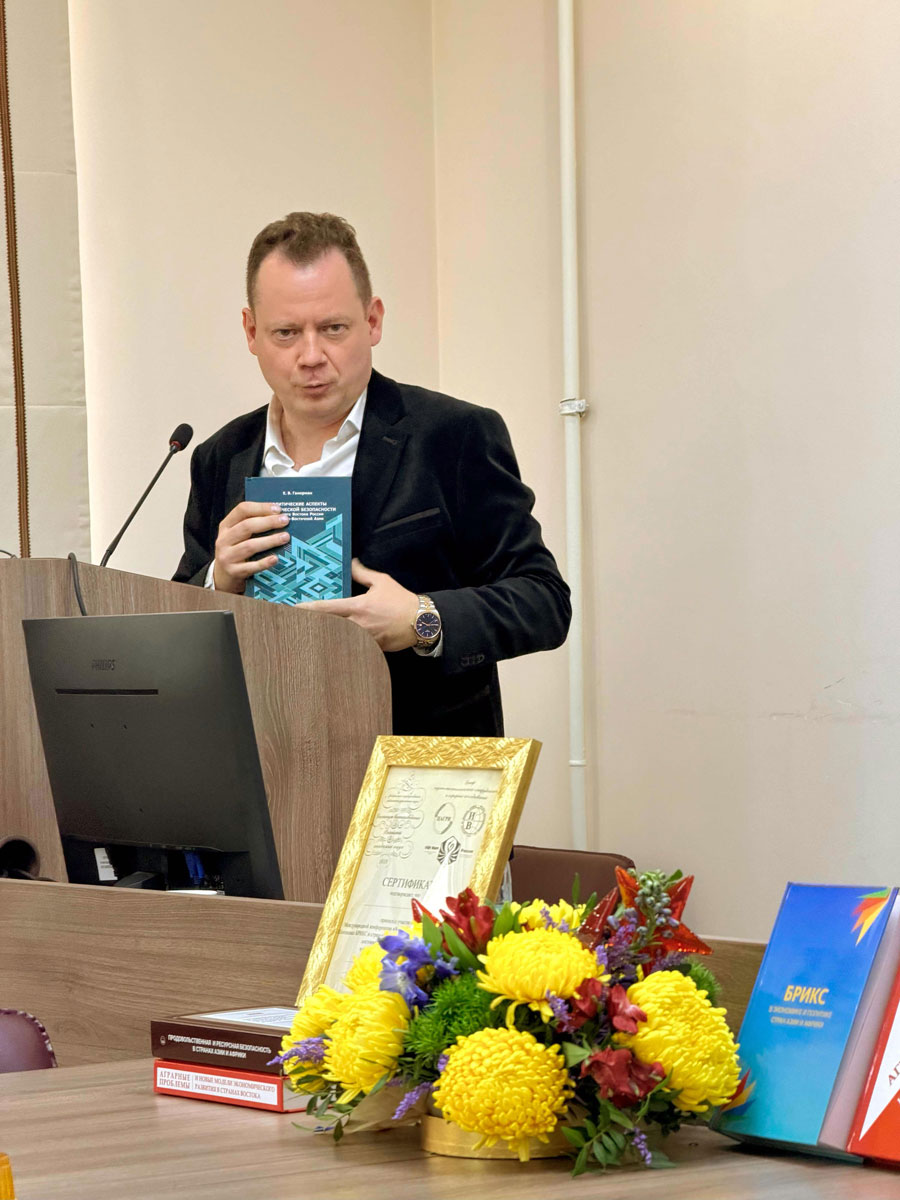
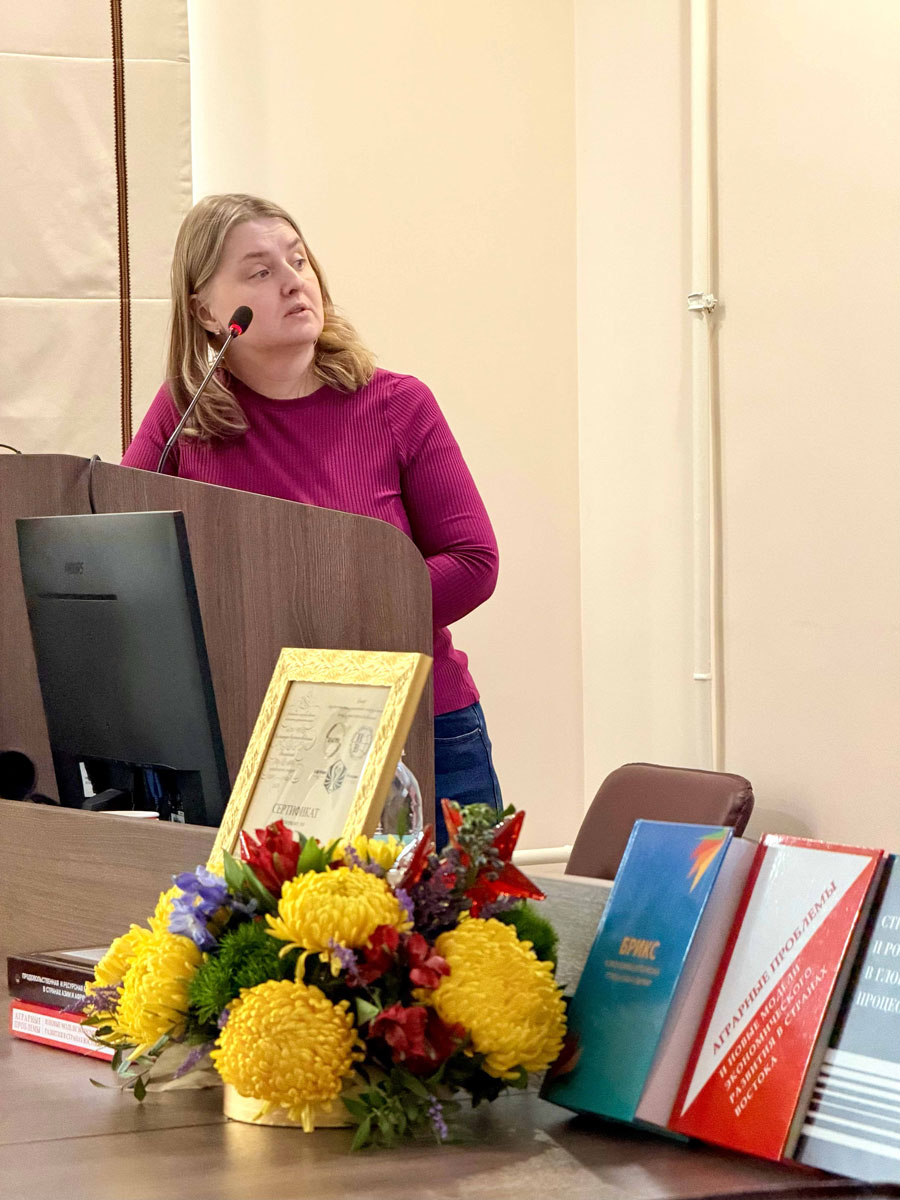
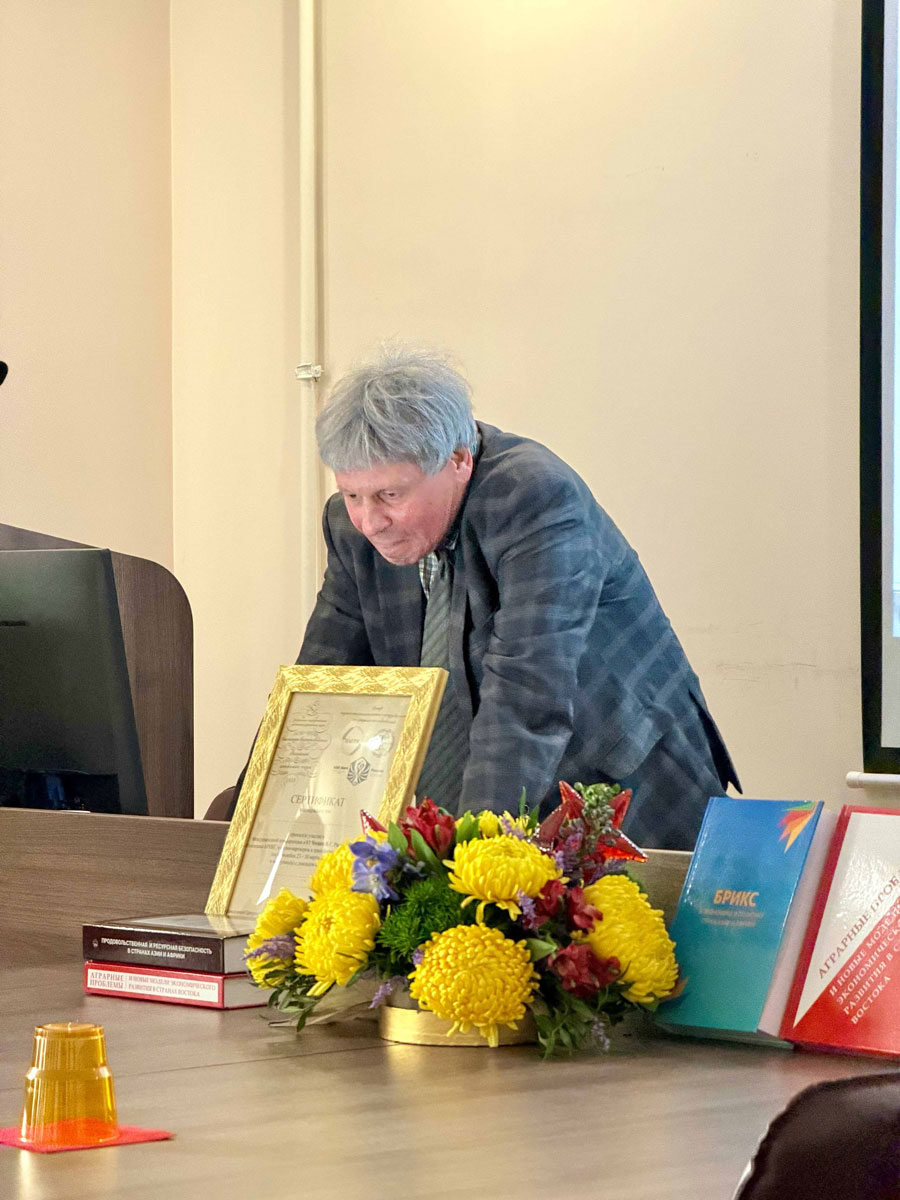
Nemchinov V.M., Candidate of Economic Sciences, Leading Research Fellow at the Department of Comparative Cultural Studies of the Institute of Oriental Studies RAS, presented a paper devoted to the ideology and principles of sustainable development.
|
|
|
|
|
|
|
|
The academic community also showed particular interest in presentations addressing energy security in BRICS countries, especially in the context of the conflict involving the United States, Israel, and Iran. This topic was examined by Obukhova A.N., Junior Research Fellow at the Center for Middle Eastern and Near Eastern Studies of the Institute of Oriental Studies RAS. Several presentations addressed financial settlements within BRICS, including the prospects for introducing new financial settlement platforms and mechanisms for cross-border payments. These issues were examined by Babenkova S.Yu., Candidate of Economic Sciences, Senior Research Fellow at the Department of Economic Studies of the Institute of Oriental Studies RAS, and Grafov D.B., Candidate of Political Sciences, Senior Research Fellow at the Institute of Oriental Studies RAS.
The international conference was held in a hybrid format, combining in-person and online participation. A simultaneous interpretation system was provided for participants, ensuring smooth communication and facilitating active discussion among researchers from different countries. Presentations were delivered in Russian and English, broadening the conference’s international reach and contributing to the diversity of research perspectives presented.
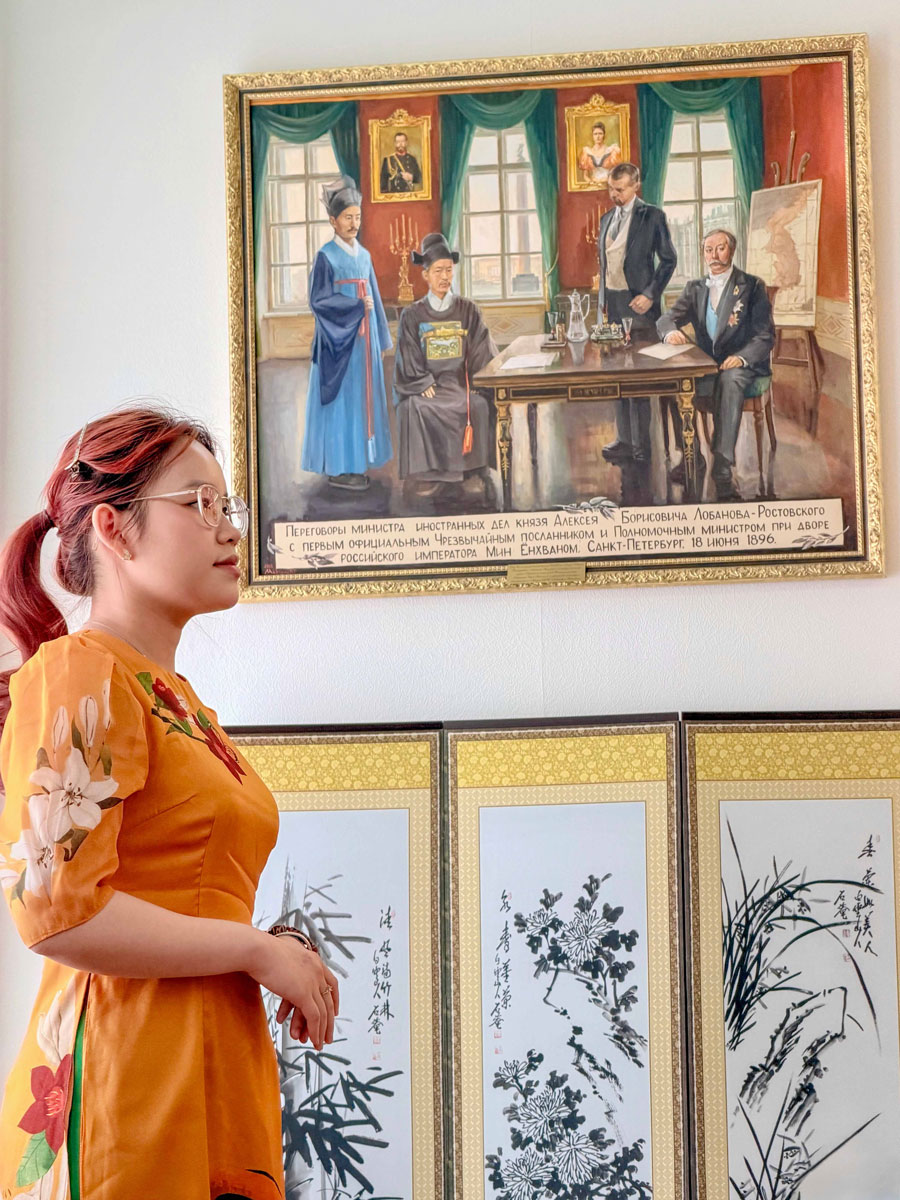
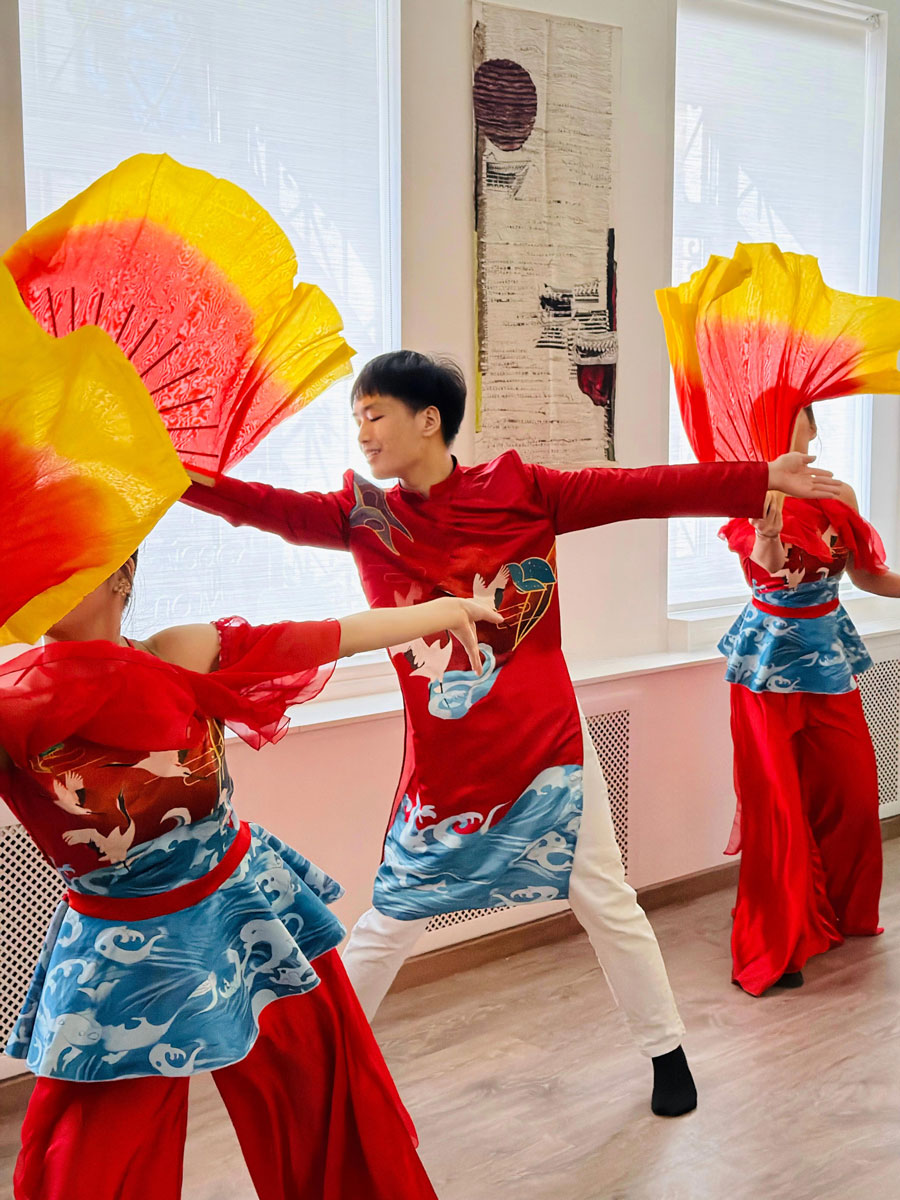
In addition to the academic program, the conference featured a vibrant cultural performance by the Association of Vietnamese Students in Russia, creating an atmosphere of cultural exchange and further strengthening friendship and interpersonal ties among the participants.
|
|

|
International Conference "«The Sixth V.G. Rastyannikov’s Readings»: Potential of BRICS and partner countries in a changing global landscape" demonstrated the strong interest of the academic community in the role of BRICS in shaping an emerging multipolar international order. The conference provided an opportunity to examine a wide range of approaches to assessing the role and potential of BRICS in a rapidly transforming world. Discussions covered economic development, scientific and technological cooperation, food and energy security, digital transformation, international finance, regional cooperation, and the evolving role of BRICS partner countries.
The Organizing Committee expresses its sincere gratitude to all scholars and researchers who contributed presentations and participated in the discussions, as well as to everyone who contributed to the successful organization of the conference. Special appreciation is extended to Orlov I.A., Tomey I.I., Kremenchugskaya A.M., and Danilicheva A.A. for their professional simultaneous interpretation, which ensured seamless communication among participants and contributed significantly to the depth and effectiveness of the academic dialogue.
Conference Organizing Committee:
- Irina V. Deriugina (Chairman) – Head of the Center for S&T Cooperation and Agrarian Research, IOS RAS
- Vadim O. Dvoichenkov – Laboratory Researcher at the Center for S&T Cooperation and Agrarian Research, IOS RAS
- Elizaveta V. Rastyannikova, Senior Researcher at the Department of Economic Research, IOS RAS
 Conference Program